Solara Talent is a founder-led recruiting firm for venture-backed startups in San Francisco, New York and Toronto, hiring founding and senior engineers, product and GTM talent, and every search runs on Solara, the recruiting platform we built ourselves.
Today marks one year since I started building that platform. Looking back, it's pretty incredible how much has changed.
It started with a recruiting firm
I started Solara Talent in May 2025.
At the time, it was just me. I'd spent more than a decade recruiting software engineers, had a strong track record, and knew I wanted to help startups build their teams.
My philosophy was simple. Focus on quality over quantity, finding candidates with the right experience rather than sending founders a pile of resumes.
Our original website even said it: "High Signal, High Pedigree Recruiting."
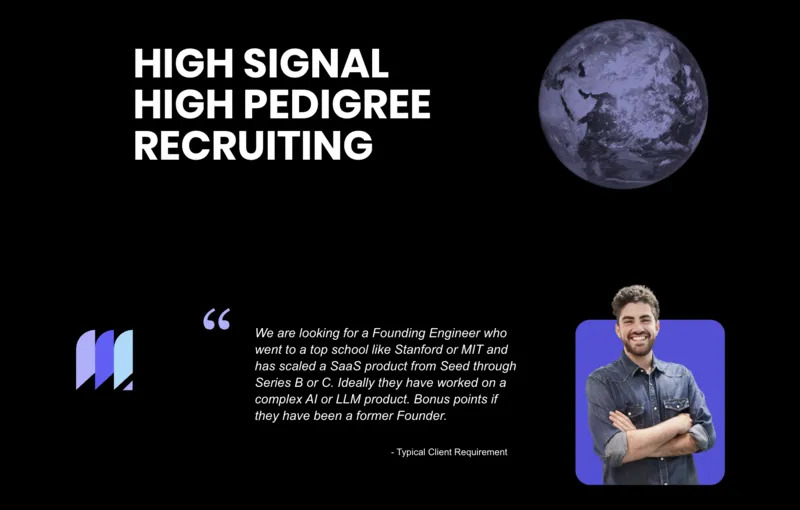
But looking back, there wasn't anything particularly different about what I was doing.
I was a good recruiter, working independently, using many of the same tools and processes as other startup recruiters.
The business was growing slowly. I was signing clients and making placements, but I hadn't yet built anything that fundamentally differentiated Solara.
My introduction to building software
On October 19, 2025, I started playing around with Replit.
I'm not a software engineer, but with the emergence of AI-powered coding tools, I wanted to see what I could build.
My first project was called Kuraa, a daily goal-tracking application.
What started as an experiment quickly turned into a functional web app with authentication, AI-powered goal tracking, and even a feature that turned someone's progress into a shareable, AI-generated storybook.
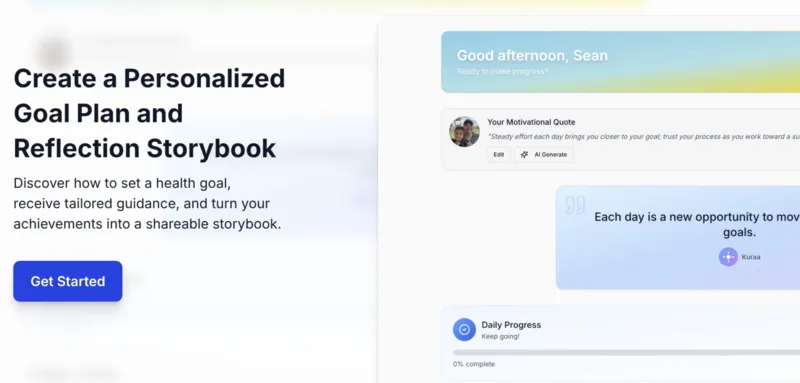
I couldn't believe what I was able to build with just a few prompts.
Was it perfect? Absolutely not. But it worked, and I'd built it myself.
It was incredibly fun. I'd come up with an idea, describe what I wanted, and watch it turn into something functional.
Naturally, I started thinking about what I could build for recruiting.
November 6, 2025: A hotel room in Boston
A few weeks later, I was in Boston visiting one of my basketball clients, Thomas Batties, who was playing at Harvard.
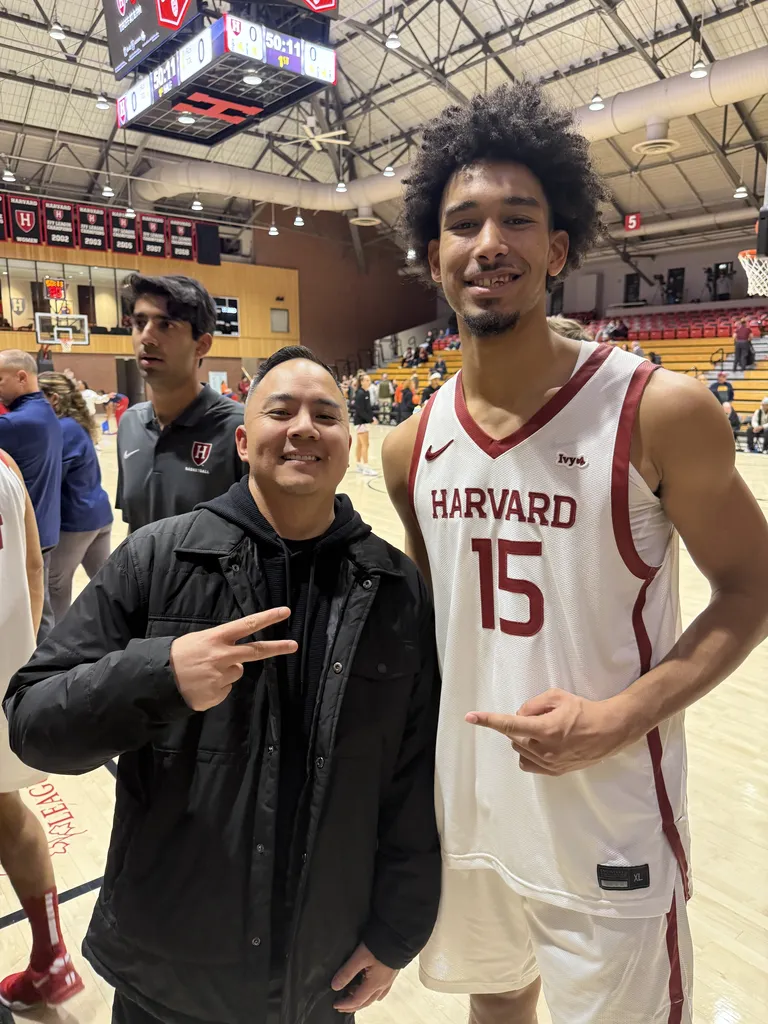
I'd checked into my hotel, had some time to myself, and decided to fire up Replit.
Maybe it was being so close to Harvard that got me thinking, but I started working on an idea for Solara.
It wasn't particularly ambitious. I wanted to build a better job board.
I'd spent years reaching out to software engineers about opportunities, and I knew most weren't going to spend several minutes reading a long job description.
I wanted to give them the information they cared about in about 20 seconds.
What was the company building? What technologies were they using? What would the engineer be responsible for?
So I started building.
That evening, I created the beginnings of a public-facing job board and a backend tool to manage the postings.
The admin tool was essentially a content management system. Nothing particularly sophisticated.
But that was the beginning of what would eventually become our recruiting platform, Solara.
From a job board to a recruiting platform
Over the next couple of months, I kept adding features to make my own work easier.
A lightweight applicant tracking system, pipeline tracking, candidate management, a Boolean search generator, and other sourcing tools.
The business was growing, and by January 2026, I knew it was time to hire.
I brought on Sara, our first recruiter. I deliberately wanted someone with less recruiting experience who I could train using the tools and processes I'd been building.
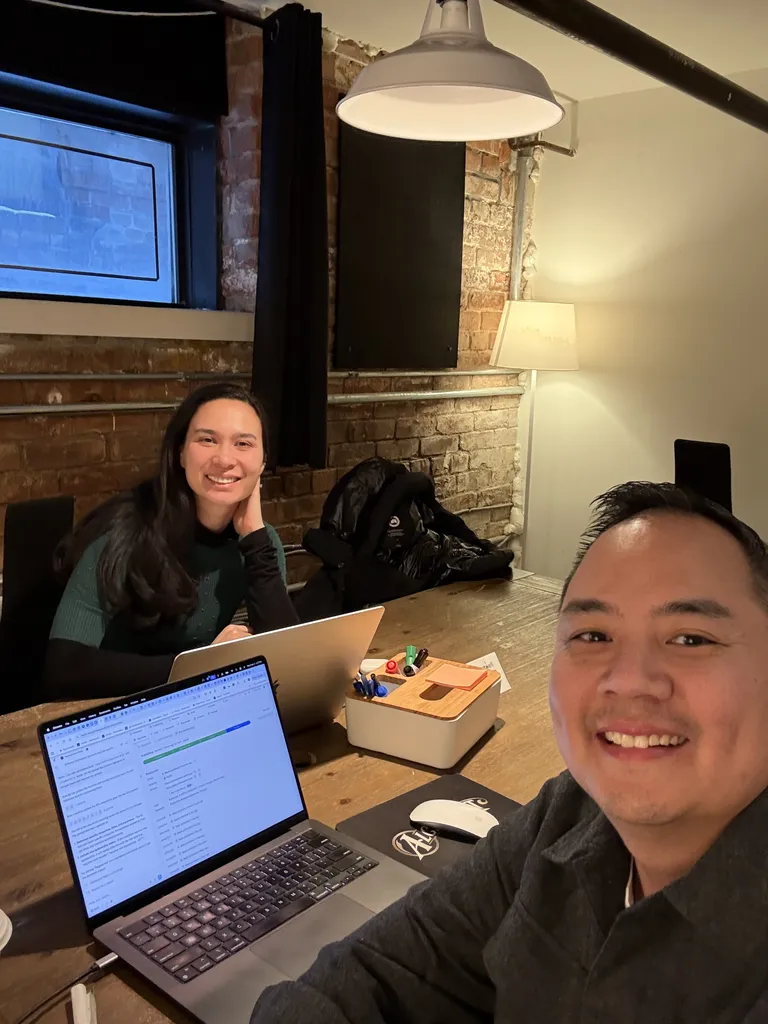
By then, Solara had role-based access controls, candidate approvals, and a collection of recruiter tools.
One of my favourite early features was a candidate screening guide. It helped recruiters navigate calls by showing them what to listen for, which signals mattered, and practical questions to cover.
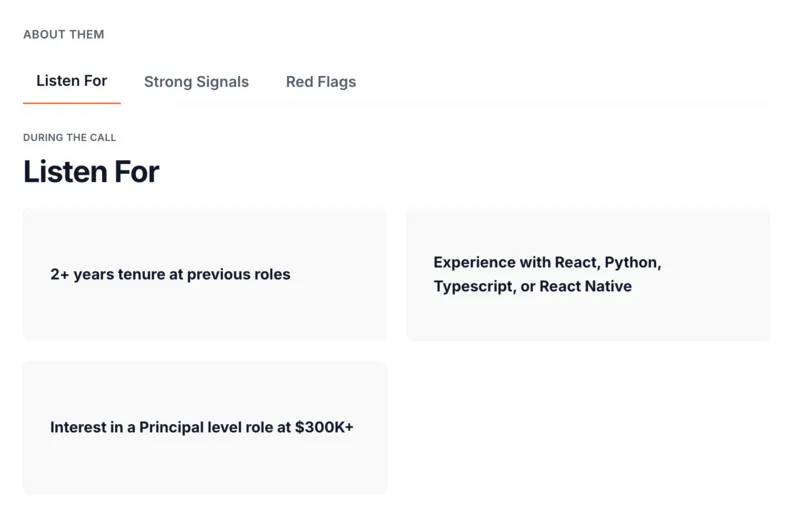
It's a feature we barely use anymore, but it helped Sara feel more confident during her first candidate calls.
Until then, I'd mostly been building tools to make myself more productive. Now I could see how the software might help us train and support other recruiters.
Learning where AI works, and where it doesn't
One of the biggest lessons I learned was that AI isn't always the right solution.
Early on, I spent a lot of time trying to get AI to score candidates against job descriptions.
The idea was simple. Give it a resume and a job description, and ask it to evaluate the match.
The problem was consistency.
I'd run a candidate through the system and get a score of 87. Run the exact same candidate again, and suddenly they were a 95.
It drove me crazy.
I tried refining prompts and adding more detailed instructions, but eventually realized I was solving the wrong problem.
We didn't need a better prompt. We needed a better scoring system.
We started building a deterministic scoring model specifically designed for software engineering recruitment.
We could use AI for things it was good at, like parsing resumes and job descriptions, while using consistent rules to evaluate candidates against the signals that mattered.
That change allowed us to model roles more precisely and build more reliable sourcing tools.
It also shaped how I think about AI-native recruiting.
I'm a big believer in AI. None of this would have been possible for me without it. But using AI everywhere doesn't necessarily make a product better.
Sometimes the better solution is a combination of AI, structured data, deterministic logic, and recruiting experience.
Speed matters, but signal matters more.
Building a recruiting business around the platform
As the year progressed, we kept building.
Solara grew to include automated candidate sourcing, business development outreach tools, candidate scoring, and a fully functioning client portal.
Through Client Signals, founders can review and rate candidates, provide feedback, and track their recruiting pipeline without everything getting buried in email threads.
One of my favourite examples of how far we've come involves my wife, Jennifer.
Jennifer had absolutely zero recruiting experience when she started helping us source candidates.
Within her first two months, she helped make a founding engineer placement.
I think that's pretty cool.
It showed me how the right combination of training, processes, and technology could help someone become productive in recruiting without years of experience.
Today, we're a team of four, supporting startup engineering recruitment in San Francisco, New York and Toronto, alongside product and GTM searches.
We've also developed partnerships with venture capital firms that have introduced us to some interesting founders.
We've made at least one hire for every VC-referred client we've worked with.
Those placements include a Founding Engineer at Nexus Intelligence in San Francisco, a Senior Software Engineer at Gyde in New York, and a Senior Product Designer at Parspec in San Mateo.
With the help of our team and clients, we're currently on track to finish the year at 116% of our annual goal.
I'm proud of those results, but what excites me most is that we're building a recruiting business that doesn't depend entirely on my own recruiting experience.
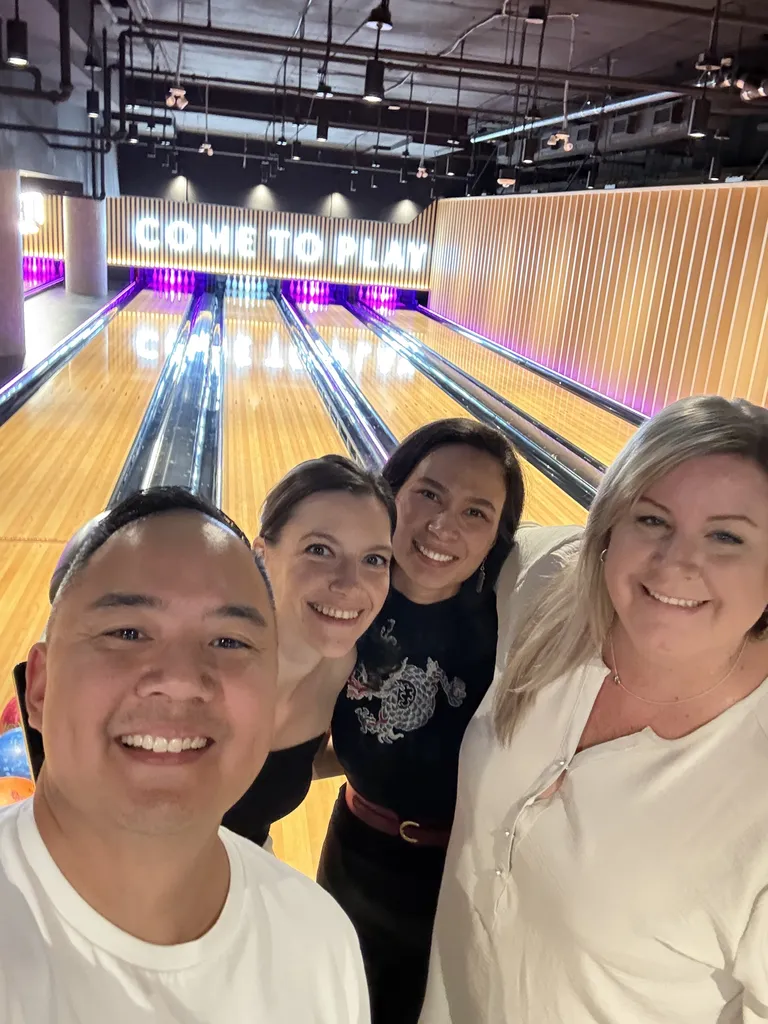
Looking ahead: Happy Solara Day
When I think about what's next for Solara, I keep coming back to the same question.
How can we make recruiting better for founders and candidates?
Whether we're helping a founder find their first engineer or working as a GTM recruiter for a growing startup, I want our approach to remain thoughtful, consistent, and focused on results.
I want to keep improving our technology, growing our team, and building on the relationships we've developed.
November 6 is now officially known internally as Solara Day.
Every year, we'll take a moment to reflect on what we've built, celebrate the people who helped us get here, and think about where we want to go next.
It's pretty cool to think that something I started building in a hotel room in Boston has become a business with a team, a platform we've built ourselves, and clients across North America.
To our team, the founders who've trusted us, the candidates we've worked with, and our VC partners, thank you.
We've come a long way in a year, and I still feel like we're just getting started.
Happy Solara Day.

Sean Huynh
Founder & Principal Recruiter
Solara Talent
If you're a founder hiring your first engineers, product people, or GTM team members, I'd love to hear what you're building.